Carshalton Beeches rubbish removal for tight access streets: a practical local guide
Getting rid of unwanted waste sounds straightforward until you're faced with a narrow road, parked cars on both sides, awkward front steps, and nowhere sensible to leave a vehicle. That is exactly why Carshalton Beeches rubbish removal for tight access streets needs a slightly different approach. In a place where access can be tight, the job is not just about loading rubbish into a vehicle; it's about planning the route, protecting property, keeping neighbours happy, and finishing the clearance without turning a simple task into a roadside headache.
This guide walks through how tight-access rubbish removal works in Carshalton Beeches, what makes it different, what to ask for, and how to avoid the usual snags. If you're clearing a flat, a house, a loft, a garage, or renovation debris from a property on a narrow residential street, the details matter more than people expect. Let's make it simple, practical, and a bit less stressful.
Table of Contents
- Why Carshalton Beeches rubbish removal for tight access streets Matters
- How Carshalton Beeches rubbish removal for tight access streets Works
- Key Benefits and Practical Advantages
- Who This Is For and When It Makes Sense
- Step-by-Step Guidance
- Expert Tips for Better Results
- Common Mistakes to Avoid
- Tools, Resources and Recommendations
- Law, Compliance, Standards, or Best Practice
- Options, Methods, or Comparison Table
- Case Study or Real-World Example
- Practical Checklist
- Conclusion
- Frequently Asked Questions
Why Carshalton Beeches rubbish removal for tight access streets Matters
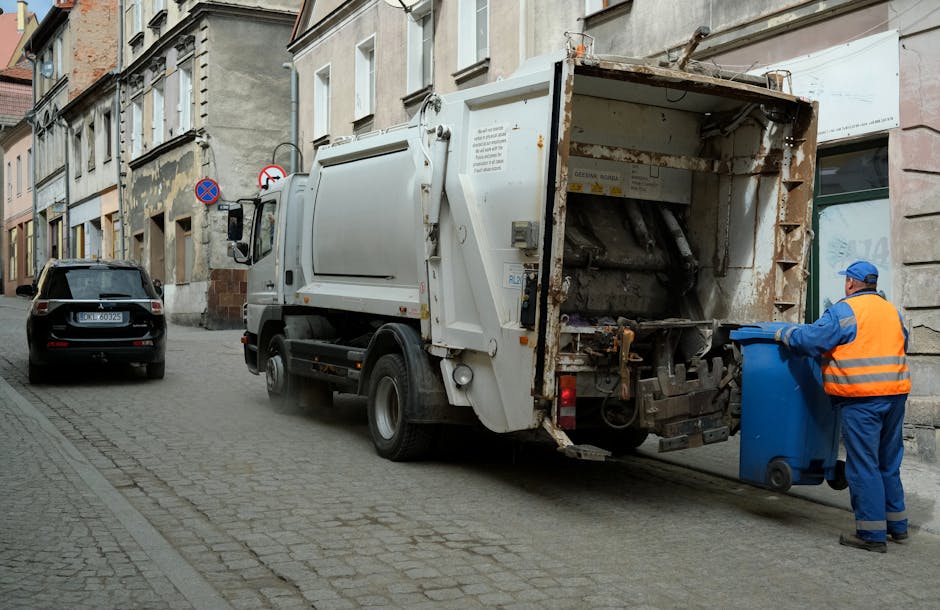
Tight access changes everything. A street that looks manageable from the pavement can become awkward the moment a van tries to turn in, reverse out, or stop for loading. In Carshalton Beeches, that can mean terraced roads, limited kerb space, shared driveways, blind corners, or vehicles parked so close together that a larger truck simply isn't the right tool for the job.
Why does that matter so much? Because access problems can create delays, block neighbours, increase handling time, and raise the risk of damage. On a calm day it might feel minor. On a wet morning, with bags of rubble waiting by the gate and everyone trying to get past, it can become a bit of a dance. Not the fun sort.
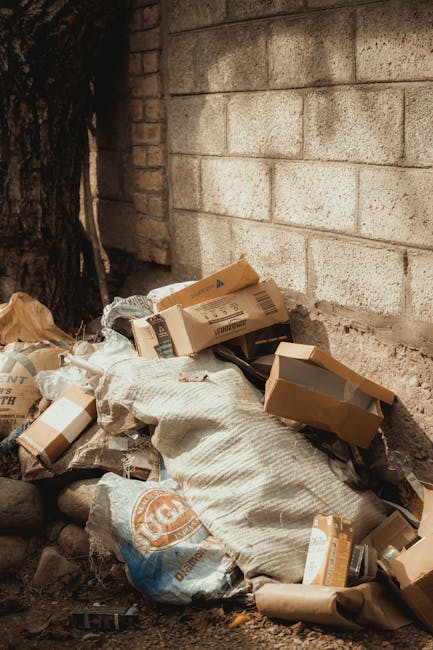
A good tight-access clearance is built around the reality of the street. That usually means smaller vehicles, careful timing, more manual carrying, and clear communication before anyone arrives. It also means understanding the type of waste involved. A few bags of household rubbish are one thing; builders' debris, broken wardrobes, garden cuttings, or appliances are another. Each one creates a different loading challenge.
If you're comparing service types, it can help to look at related solutions such as general waste removal, house clearance, or flat clearance, depending on what actually needs shifting. The right fit makes the day smoother from the start.
How Carshalton Beeches rubbish removal for tight access streets Works
Most tight-access collections follow the same broad pattern, but the details are where the value is. First comes the assessment. That may be done through photos, a quick call, or a short description of the street, parking constraints, stairs, gates, and the kind of waste sitting there. Honest descriptions help more than people think. If a sofa has to be carried down a narrow staircase, say so. If there's only room for one vehicle at a time, say that too.
From there, the team decides how to approach the collection. In many cases, a smaller vehicle is better than a big one because it can fit closer to the property and reduce carrying distance. That sounds obvious, but it makes a massive difference when you're trying not to lift a heavy mattress half a city block. Less distance usually means less time, less strain, and less chance of things going wrong.
The crew then loads waste by hand, often in stages. Loose rubbish, bags, furniture, and heavier items may be separated on-site so the team can keep the process safe and efficient. With bulky items, the order matters: lighter things first, awkward items later, and anything fragile handled carefully. It is not glamorous work, but it is methodical.
For renovation debris or mixed construction waste, you may also want to consider builders waste clearance. If you have a limited amount and want to know what can be mixed, what can go in a skip is a useful reference point for understanding typical waste categories, even if a skip itself is not the chosen solution.
Good providers will also think about practicalities that people forget: where to park, whether the pavement stays clear, how to avoid scraping walls or banisters, and whether neighbours still need access to bins or driveways. That quiet planning is what separates a tidy job from a messy one.
Key Benefits and Practical Advantages
The biggest benefit is simple: you get the rubbish removed without turning a narrow street into a problem zone. That's especially helpful in places where there is little margin for error. But there are a few more advantages worth spelling out.
- Less disruption: Smaller vehicles and better planning mean less traffic blockage and fewer awkward manoeuvres.
- Reduced handling risk: If the crew can get closer to the property, there is less lifting over long distances and fewer opportunities for damage.
- Quicker turnaround: Tight-access jobs often run more smoothly when the collection plan is designed around the street, not against it.
- Better neighbour relations: Nobody enjoys a van idling in front of their gate. Careful timing and neat loading help keep the peace.
- More suitable for mixed loads: Household clutter, old furniture, appliances, and garden waste can be sorted and removed in a structured way.
There is also a practical mental benefit. If you've been staring at a pile of rubbish for weeks, the space itself starts to feel heavier somehow. Once it's gone, the room or garden feels bigger, cleaner, and more manageable. That shift is real. You notice it the minute you walk in.
For larger clearances, related services such as home clearance, garage clearance, or loft clearance may also be relevant, especially if the waste is spread across different parts of the property. A joined-up approach tends to save time and hassle.
Who This Is For and When It Makes Sense
This kind of rubbish removal is useful for a surprisingly wide range of people. In Carshalton Beeches, tight streets are not rare, and the same access problems crop up whether you're in a flat, a terraced house, or a small business premises.
You may need this service if you are:
- clearing out a property with limited frontage or no driveway
- removing bulky furniture from an upper floor
- dealing with builders' rubble after a small renovation
- emptying a garage, cellar, or loft with awkward entry points
- preparing a property for sale, letting, or handover
- sorting waste from a shop, office, or small commercial space
- trying to avoid the complications of a skip on a narrow road
It also makes sense when you simply do not want the extra admin. Skip permits, parking restrictions, and neighbourhood logistics can be a lot. To be fair, plenty of people only realise this after they've started comparing options. At that point, a flexible collection service starts looking much more attractive.
If the clearance is tied to a move or a property reset, services like house clearance or furniture disposal may fit neatly into the job. For landlords, business owners, or managing agents, office clearance and business waste removal can be useful options too.
Step-by-Step Guidance
If you want the collection to go smoothly, a little preparation goes a long way. Here's a sensible order to follow.
- Walk the access route. Check gates, side alleys, steps, narrow hallways, and any points where items may snag or bump.
- Identify the waste type. Separate household rubbish, furniture, garden waste, electrical items, and anything potentially hazardous.
- Take photos if needed. A few clear pictures of the waste and access route can help the team plan properly before arrival.
- Clear a path. Move bikes, bins, planters, and loose items out of the way so loading is faster and safer.
- Check parking and stopping space. Even a small loading gap can make a big difference on a narrow road.
- Protect surfaces. If you have delicate floors, narrow stair edges, or freshly painted walls, point them out before lifting starts.
- Confirm the load details. Make sure the collection provider understands what is included and what is not.
- Stay available at arrival. A quick answer to a question on the day can save ten minutes of guesswork. Sometimes more.
One small but useful habit: stack items by size and weight before the team arrives. It's not essential, but it helps. Heavy items at one end, lighter bags together, and fragile pieces separated. Simple stuff, really, but it keeps the job orderly.
If you have specialist items, check the relevant service first. For example, appliances may need fridge and appliance removal, while old sofas or mattresses are often best handled through mattress and sofa disposal. That avoids surprises on the day.
Expert Tips for Better Results
In our experience, the best tight-access jobs are the ones where everyone knows the plan before anyone lifts a thing. That sounds obvious, but it's often where problems start. Here are a few practical tips that make a real difference.
Be specific about the access, not just the waste
People tend to describe the rubbish and forget the route. The route is half the job. Mention steep steps, a narrow passage, low branches, awkward corners, or a gate that only opens halfway. A five-second detail can change the whole collection approach.
Choose timing wisely
Early mornings are often easier on busy residential streets because there may be fewer parked vehicles and less foot traffic. That said, the right time depends on your street. Sometimes mid-morning is calmer. You know your road better than anyone.
Separate anything questionable
If a load contains items that need special handling, keep them separate and flag them in advance. That includes chemicals, paint tins, sharp objects, or materials that might be classed as hazardous. The team needs to know what they are dealing with before loading starts.
Think in carry distances
On a tight-access street, a ten-metre carry becomes fifty metres very quickly once you add stairs, turns, and traffic. Shorter carry distances are not just convenient; they protect time, labour, and the property itself.
Ask about recycling and sorting
Responsible operators will usually sort waste where possible so reusable or recyclable materials are separated from general rubbish. If sustainability matters to you, it is fair to ask how that is handled. The answer should be clear, not fluffy. Recycling and sustainability is a good page to review if you want to understand the general approach.
Don't underestimate furniture sizes
A chair looks harmless until you try turning it through a tight stairwell. Same with wardrobes, mattresses, and sofas. Measure if you are unsure, especially in older properties where the hallway seems to shrink by the day. It happens.
Common Mistakes to Avoid
Most problems on tight-access jobs are predictable. That's the annoying part. The good news is they're easy to avoid if you know what to look out for.
- Assuming a large vehicle will fit: It often won't. Always describe the street honestly.
- Leaving waste scattered: Loose items slow everything down and make carrying awkward.
- Ignoring parking pressure: A beautiful plan on paper means little if the van has nowhere to stop.
- Mixing everything together: Special waste, sharp debris, and furniture should not all be treated the same way.
- Forgetting inside access: The problem may not be the road at all, but the staircase, hallway, or doorway.
- Waiting until the last minute: Tight-access jobs need a bit of breathing room. Rushed clearances are rarely tidy clearances.
A common one is underestimating how much rubbish has actually built up. One bag here, one box there, and suddenly it's a full load. Truth be told, clutter has a habit of multiplying when nobody's looking.
If the job involves hard-to-move household items, you may also find furniture clearance useful, especially for bulkier pieces that need extra care. For outbuildings and garden debris, garden clearance can be the better match.
Tools, Resources and Recommendations
You do not need a warehouse full of equipment to prepare for a tight-access rubbish removal. A few basic tools and some common sense usually do the trick. Here's what helps.
| Item or resource | Why it helps | Practical note |
|---|---|---|
| Tape measure | Checks whether bulky items will fit through doors or stair turns | Useful for wardrobes, sofas, and fridge units |
| Strong gloves | Protects hands during pre-sorting | Handy for broken edges and rough packaging |
| Boxing or bags | Keeps loose waste manageable | Best for mixed household rubbish and small items |
| Phone camera | Lets you share access photos quickly | Take wide shots, not just close-ups |
| Bin labels or markers | Helps separate reusable, recyclable, and general waste | Simple but effective if you're sorting in stages |
For planning and budgeting, the most useful pages are often the ones that explain scope, safety, and pricing rather than just the headline service. You may want to review pricing and quotes before booking, especially if the load is mixed or access is unusually difficult. It gives you a better sense of how a proper quote is formed.
If you are a business customer, business waste removal is worth looking at when the clearance needs to happen with minimal disruption to staff, customers, or deliveries. For private homes, home clearance is often the broadest fit.
And if you're still deciding whether the job is more than a one-off tidy-up, take a slow look around the property. You'll usually know within a minute whether it's just waste removal or a fuller clearance. No drama. Just the facts.
Law, Compliance, Standards, or Best Practice
With rubbish removal in the UK, especially where access is tight and the job involves lifting, parking, or mixed waste, it's wise to stay on the safe side of accepted best practice. You do not need to become an expert yourself, but you should expect the people handling your waste to work carefully, carry appropriate insurance, and follow sensible safety procedures.
For customers, the main practical concern is this: waste should be handled by a responsible operator that knows how to move, load, and sort it without creating unnecessary risk. That includes protecting the public, not blocking access longer than needed, and treating hazardous or electrical items separately where required.
It also helps to understand your own responsibilities. If you're the person arranging the clearance, you should be clear about what is being removed and whether any items need special handling. For example, certain chemicals, broken appliances, or contaminated materials should not be lumped into a general load without checking first.
If safety matters to you, take a look at health and safety policy, insurance and safety, and hazardous waste disposal. These pages help set expectations about how a professional service should operate in practice.
For sensitive documents or confidential paperwork, separate handling may be appropriate. In that case, confidential shredding is the sort of service that should be considered on its own merits rather than mixed into general waste. Clean separation. Better outcomes.
Options, Methods, or Comparison Table
There is no single best waste removal method for every tight street. The right choice depends on access, volume, item type, and how quickly you need the space clear. Here's a straightforward comparison.
| Method | Best for | Pros | Watch-outs |
|---|---|---|---|
| Man-and-van style clearance | Narrow roads, smaller loads, mixed household waste | Flexible, close parking possible, fast collection | Can be less efficient for very large volumes |
| Full property clearance | Houses, flats, probate-style clearances, bulky contents | Handles more items in one visit | Needs clearer planning and access discussion |
| Furniture-only removal | Single or multiple bulky items | Simple and direct | Not ideal if the waste is mixed with general rubbish |
| Builders waste clearance | Renovation debris, rubble, rip-out waste | Good for awkward, heavy loads | Requires clearer waste-type separation |
| Skip hire | Sites with space and straightforward loading | Useful for repeated loading over time | Tight streets can make placement difficult |
For many Carshalton Beeches streets, collection-based removal is the easier option because it reduces the need to park a large container or rely on a vehicle staying in one place for too long. That said, if the waste is spread over a long renovation period, a skip may still be the practical answer. It depends. Annoying, but true.
If you want to compare furniture-heavy options, you may find mattress and sofa disposal useful, while larger mixed content clearances may suit house clearance. The best method is the one that fits the access, not the other way around.
Case Study or Real-World Example
Here's a realistic example. A small terraced property in Carshalton Beeches needed a clear-out after years of gradual clutter build-up. The street was narrow, parking was limited, and the front path had a tight turn at the gate. A standard large vehicle would have made the job awkward, possibly impossible without blocking the road for too long.
Instead, the collection was planned around a smaller vehicle and a shorter carry route. The waste was grouped into manageable piles beforehand: old chairs, a broken shelving unit, several bags of general rubbish, and a couple of heavier items from the shed. The team arrived, assessed the access quickly, and worked through the load in a tidy order. Nothing flashy. Just organised.
The key lesson was not about force; it was about preparation. Once the route was clear and the load was sorted, the clearance moved faster than expected. The homeowner had been bracing for half a day of disruption, but the street never felt taken over, and neighbours could still get past.
That's the real value of tight-access rubbish removal. When it's done well, people barely notice the work happening. They just notice the result afterwards: less clutter, easier movement, and a space that feels lighter. Little win, big relief.
Practical Checklist
Use this simple checklist before booking or on the day of your collection.
- Confirm exactly what needs removing
- Check doorways, gates, stairs, and turns
- Measure any bulky items if you are unsure
- Photograph the waste and the access route
- Clear loose obstacles from the path
- Separate any special or hazardous items
- Make sure parking or stopping is realistic
- Tell the provider about any time restrictions
- Keep pets and children away from the loading area
- Ask how recycling and sorting will be handled
- Check the booking details before the collection day
If you want a cleaner handover or a more formal process, it can also help to review about us and terms and conditions so you know what to expect from the service relationship before anything is booked in.
Conclusion
Carshalton Beeches rubbish removal for tight access streets is really about fit. Fit for the street, fit for the load, and fit for the pace of the neighbourhood. If the access is awkward, the job needs to be planned around that reality from the start. When that happens, the clearance is usually smoother, safer, and far less stressful than people fear.
The best approach is usually the simplest one: describe the access honestly, keep the load organised, and choose a removal method that respects the road you actually have, not the road you wish you had. That practical mindset saves time and avoids the usual mess.
And if you've been putting it off because the street feels too tricky, that's understandable. It does feel fiddly at first. But with the right plan, even a narrow Carshalton Beeches road can become just another successful clearance.
Get a free quote today and see how much you can save.
Frequently Asked Questions
What makes rubbish removal in Carshalton Beeches difficult on tight streets?
The main issue is access. Narrow roads, parked cars, limited turning space, and short loading areas can make it hard for larger vehicles to stop safely. That is why planning and vehicle choice matter so much.
Can rubbish be removed from a street with no driveway?
Yes, often it can. A good clearance service will look at vehicle size, carry distance, and loading points so the collection can still happen without needing a driveway. It just takes a bit more planning.
Is a skip always a bad idea for narrow roads?
Not always, but it can be inconvenient on tight streets. If there is limited space for placement or parking, collection-based rubbish removal may be the easier and less disruptive option.
How should I prepare bulky furniture for collection?
Measure awkward pieces if needed, clear a route through the property, and let the removal team know about tight turns or stairs. Sofas, wardrobes, and mattresses can be trickier than they look.
What types of waste can usually be taken away?
Typical loads include general rubbish, furniture, garden waste, small renovation debris, and some appliances. Special items such as hazardous waste or certain electricals should be discussed separately before collection.
How do I know if I need house clearance or general waste removal?
If you're clearing an entire property or a large part of it, house clearance is often the better fit. If it's mainly mixed rubbish or a smaller load, general waste removal may be enough.
Can rubbish removal be done for flats with awkward stair access?
Yes. Flat clearances are common in tight-access areas, especially where stairs, communal hallways, or narrow entrances are involved. A smaller vehicle and careful handling usually help a lot.
What happens if my street is busier than expected on the day?
A professional team should adjust the plan, wait briefly if needed, or use a different loading point if available. Good communication on the day helps keep things moving.
Do I need to sort items before the team arrives?
It helps, but you usually do not need to organise everything perfectly. Grouping similar items together, especially bulky pieces and loose rubbish, makes the job smoother and quicker.
Are appliances and old fridges removed separately?
Yes, they often are. Appliances can need different handling from general rubbish, so it is smart to mention them in advance and check whether fridge and appliance removal is the right option.
Is there a way to keep the collection quick on a tight-access street?
Yes: be clear about access, keep the path open, separate waste types, and take photos if the layout is tricky. The more the team knows before arriving, the quicker the visit is likely to be.
What if I have a mix of furniture, rubbish, and garden waste?
That is very common. A mixed clearance can usually be handled in one visit, though it helps to mention the different waste types so the team can plan the load and sorting properly.